Driving Performance
The performance management framework aligns individual contributions with organisational objectives while supporting employee development and career progression. Employees are evaluated annually on parameters including attitude, job knowledge and skills, work quality and productivity, and adaptability and learning ability. During FY26, a more structured competency-based evaluation process, incorporating assessments by both reporting managers and functional heads, enhanced transparency, objectivity and fairness. Performance outcomes provide the basis for career progression, succession planning, learning interventions and performance linked recognition.
Employee Experience
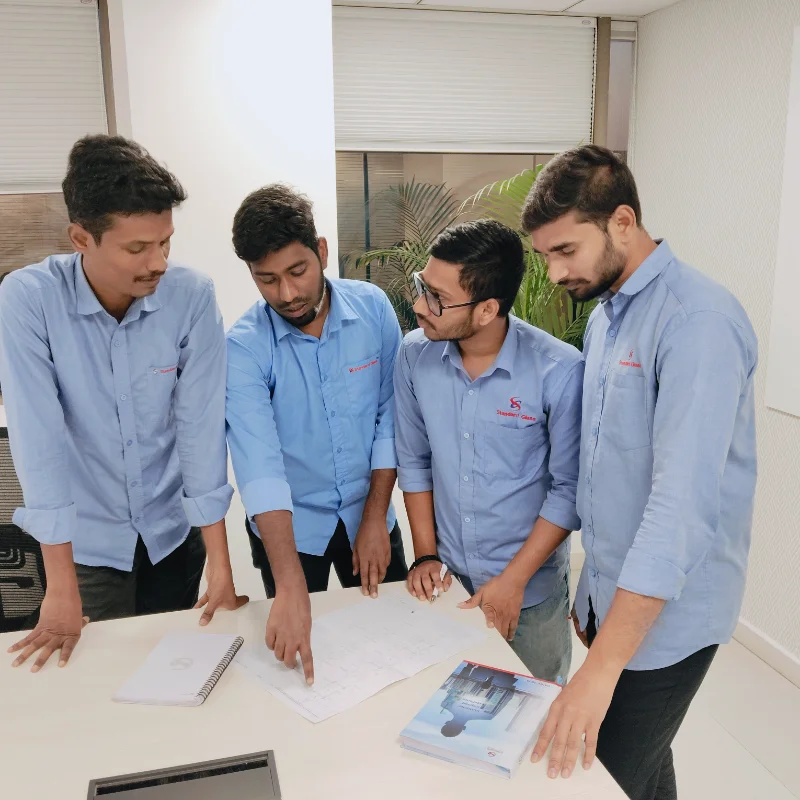
Employee engagement initiatives formed an integral part of workplace culture during the year. Communication forums, festival celebrations, team building activities, wellness programmes, cultural events, birthday celebrations and recreational competitions encouraged collaboration and employee participation across the organisation. These initiatives contributed to higher employee morale and strengthened a workplace culture built on trust, respect and teamwork.
Recognising Excellence
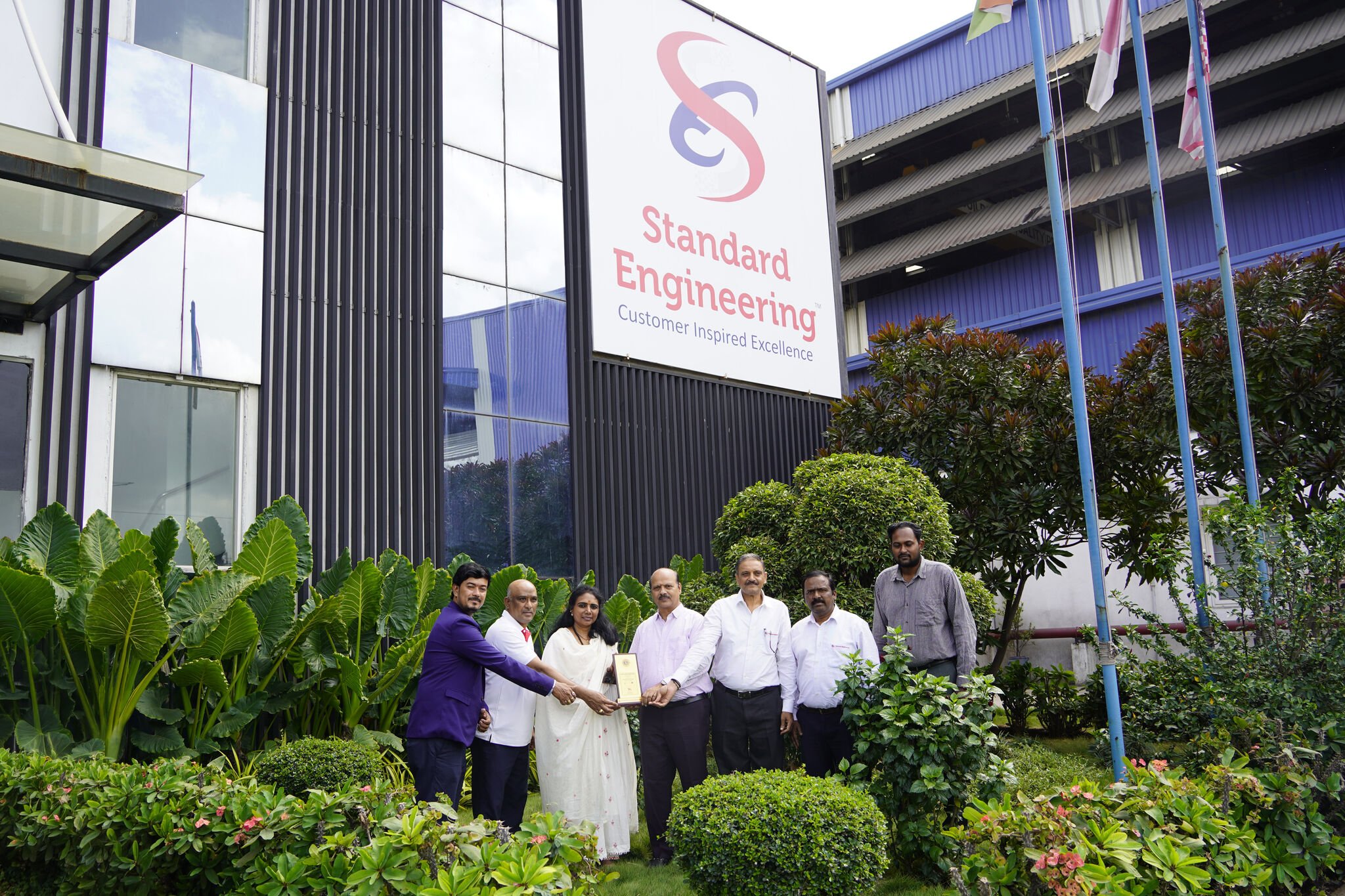
Recognition programmes celebrated exceptional performance, innovative ideas, long service and outstanding attendance. By acknowledging employee contributions across different areas, these programmes encouraged high performance, reinforced a culture of excellence and enhanced employee motivation.
Developing Future Skills
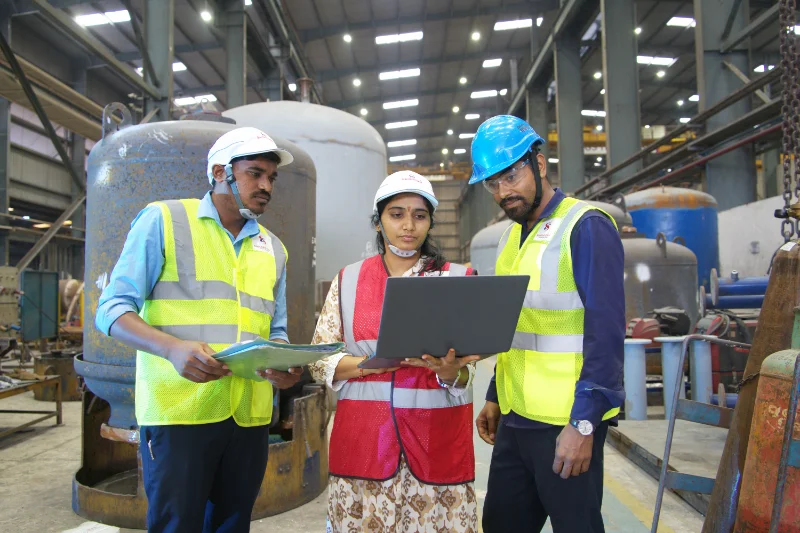
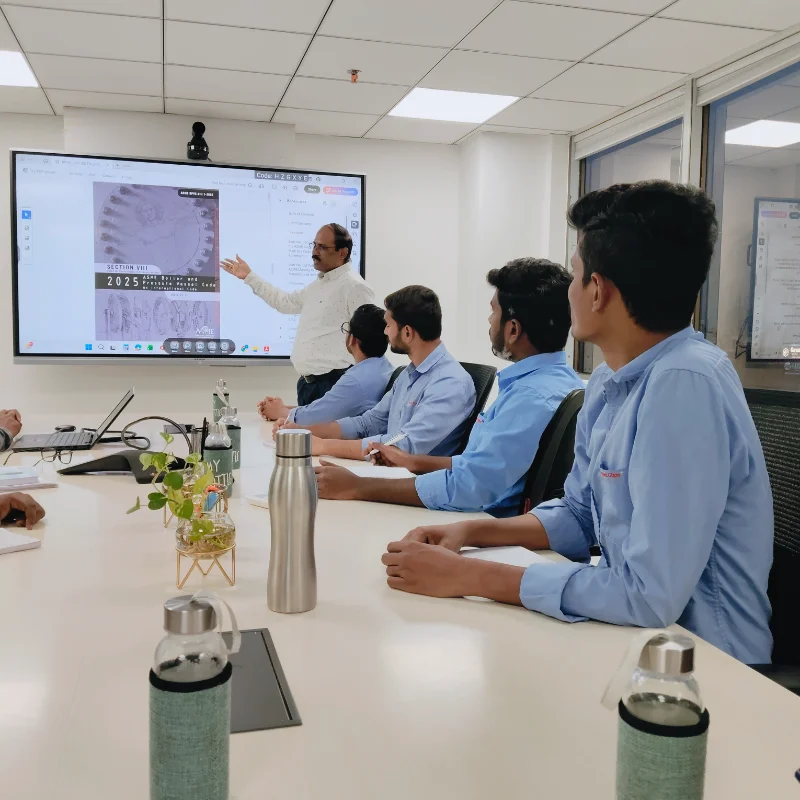
Learning and development programmes enhanced technical, functional and leadership capabilities across the organisation. During FY26, an Advanced Excel training programme equipped approximately 80 employees with enhanced analytical, reporting and data management skills, enabling more effective data-driven decision-making. A Supervisor Development Programme, conducted in partnership with IGNITE, enhanced communication, people management, leadership and problem solving capabilities for approximately 30 supervisors, contributing to higher shop floor productivity. Regular technical and safety training sessions across manufacturing facilities reinforced operational effectiveness and workplace safety.
Future skill requirements are assessed through business strategy reviews, technology adoption, upcoming projects, new machinery introductions and workforce planning exercises. Insights from business leaders and market assessments help identify emerging capability requirements and prepare employees for new technologies, product lines and evolving business needs.
Well-being and Inclusion
Employee well-being initiatives during FY26 included enhanced Group Medical Insurance coverage, Group Personal Accident insurance, periodic health check-ups, subsidised food facilities, transportation support and employee assistance mechanisms through suggestion and grievance redressal forums. Structured communication platforms encouraged open dialogue while supporting employee well-being and work-life balance.
An inclusive workplace is supported through equal employment opportunity practices, transparent HR processes, implementation of the POSH framework, awareness programmes and merit-based career advancement. Leadership hiring, succession planning, developmental assignments and role enhancement opportunities contribute to building organisational capability while supporting long-term business continuity.
التطلع إلى الأمام
The people agenda for FY27 focuses on building a future-ready workforce through leadership development, capability enhancement, HR digital transformation, employee engagement, campus and apprenticeship programmes, multi-skilling initiatives, diversity and inclusion, employee wellbeing and a high performance culture aligned with the Company’s long-term growth strategy.
Contact us today for Turnkey Engineering Solutions