Standard Engineering Technology (SET) has extensive experience serving the chemical industry, supporting a wide spectrum of applications ranging from specialty and fine chemicals to agrochemicals, intermediates and performance materials. Working in close collaboration with chemical producers, SET has developed a strong understanding of processes involving highly corrosive media, elevated temperatures and pressures, multi-step reactions and intensive solvent usage. This experience allows SET to engineer robust, long-life equipment designed to operate safely and reliably in demanding chemical environments.
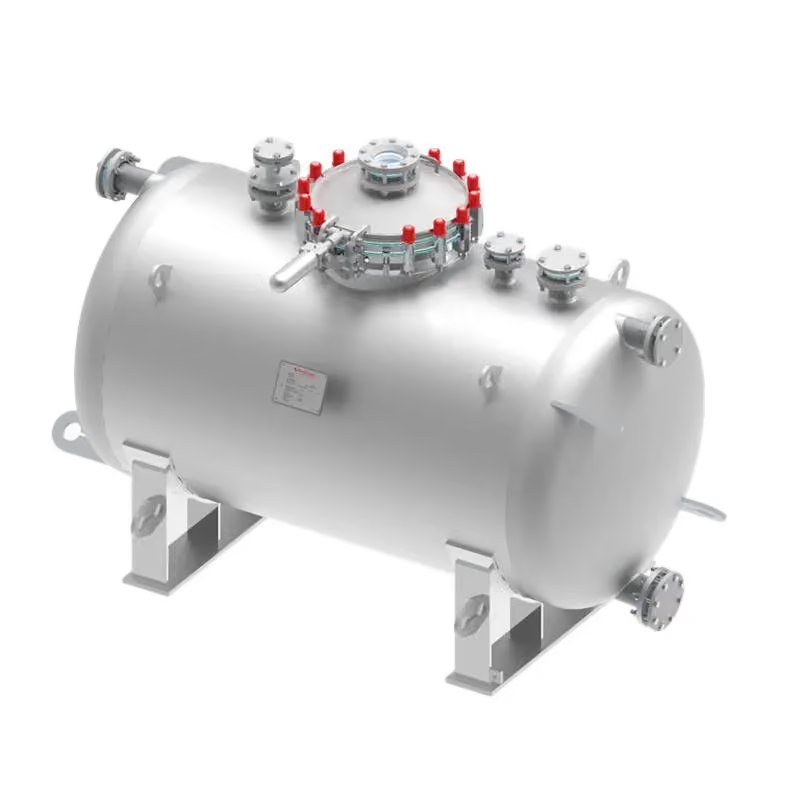
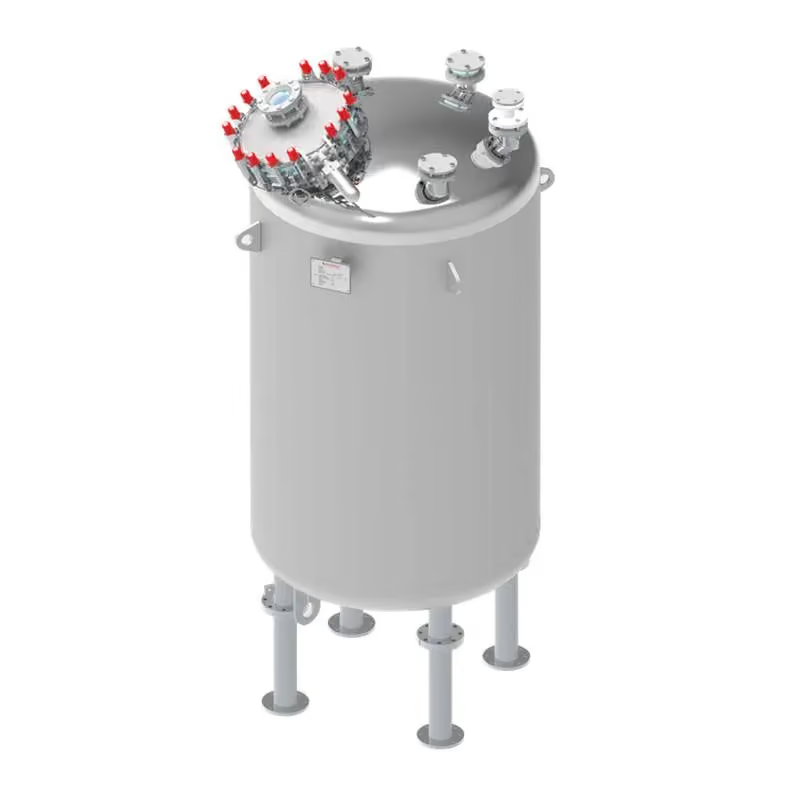
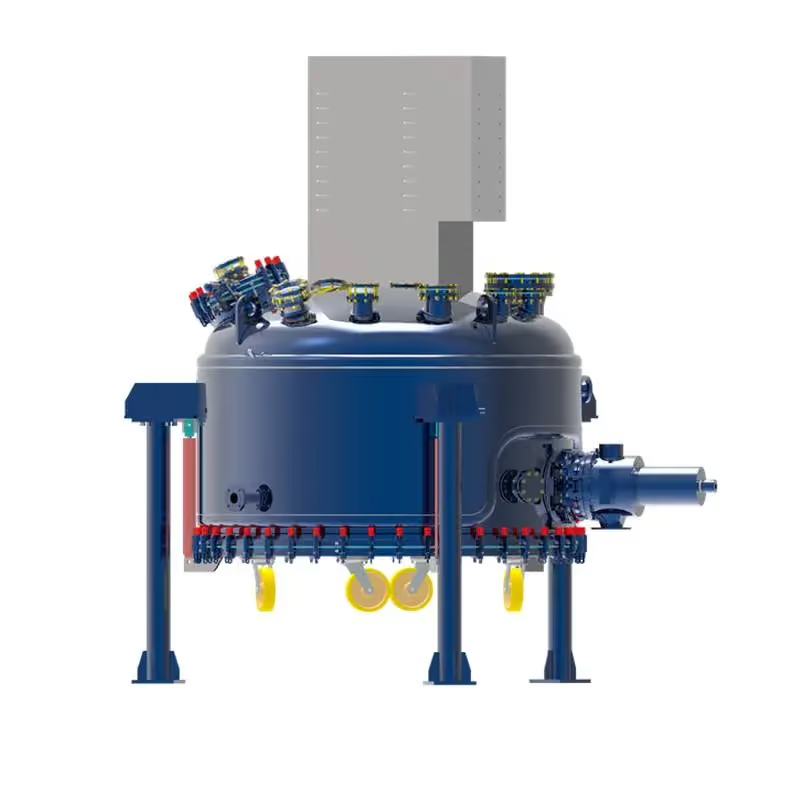
SET’s strength in the chemical sector lies in its ability to deliver process-critical equipment across the entire production lifecycle. The product offering includes glass-lined reactors for corrosion resistance and product purity, stainless steel and alloy reactors and vessels, ANFDs, rotary cone vacuum dryers, heat exchangers, distillation and solvent recovery systems, and customised storage and handling solutions. By supplying multiple unit operations from a single source, SET helps chemical manufacturers reduce interface risk, improve process integration and maintain consistent engineering standards across their plants.
In addition to equipment supply, SET brings significant value through custom engineering and application-specific design. Chemical processes often require non-standard configurations, specialised materials of construction, and tailored agitation, heat transfer or containment solutions. SET’s engineering teams work closely with clients to adapt designs to specific chemistries, throughput targets and regulatory requirements, ensuring optimal performance, safety and maintainability. This consultative approach has made SET a trusted partner for both new chemical facilities and upgrades to existing plants.
Quality, safety and compliance remain central to SET’s engagement with the chemical industry. Equipment is manufactured under rigorous quality systems, with full material traceability, inspection and testing protocols aligned with international standards. Combined with the group’s broad manufacturing capabilities and long-term service mindset, SET supports chemical producers in achieving efficient, sustainable and scalable operations — from pilot scale through to full commercial production.
Related Case Studies



FAQs
Related Image Gallery
More Industries
Contact us today for Turnkey Engineering Solutions