Standard Engineering Technology (SET) brings deep, hands-on experience to the pharmaceutical industry, with a particularly strong footprint in the Active Pharmaceutical Ingredients (API) sector. Over the years, SET has partnered with leading pharmaceutical manufacturers to support complex, highly regulated API processes, delivering equipment and systems engineered for safety, repeatability, containment and compliance with global GMP standards. This long-standing focus has enabled SET to understand the nuanced demands of API manufacturing — from aggressive chemistries and solvent handling to stringent cleaning, validation and batch integrity requirements.

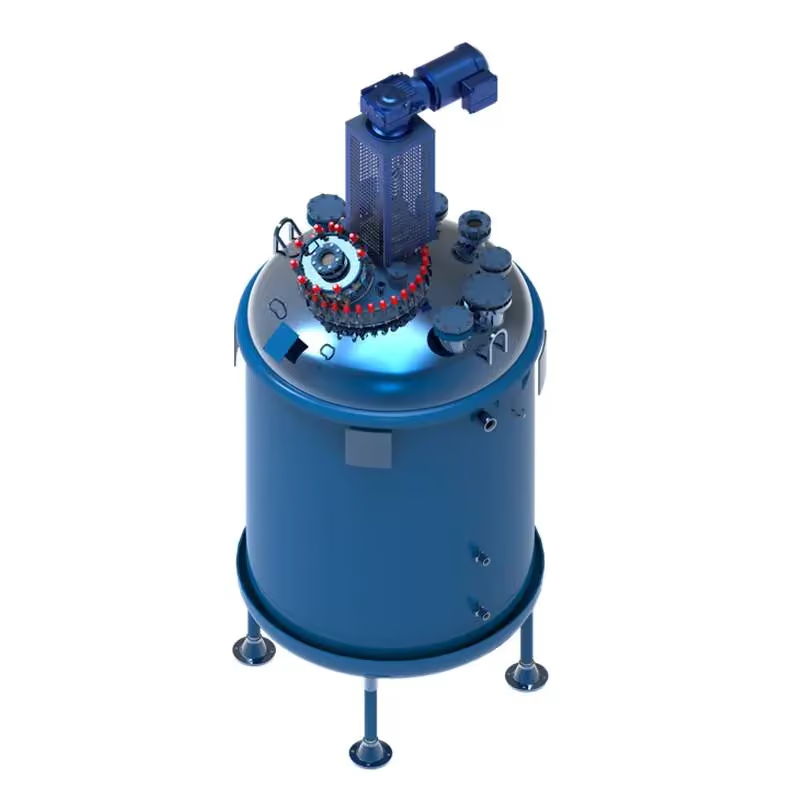
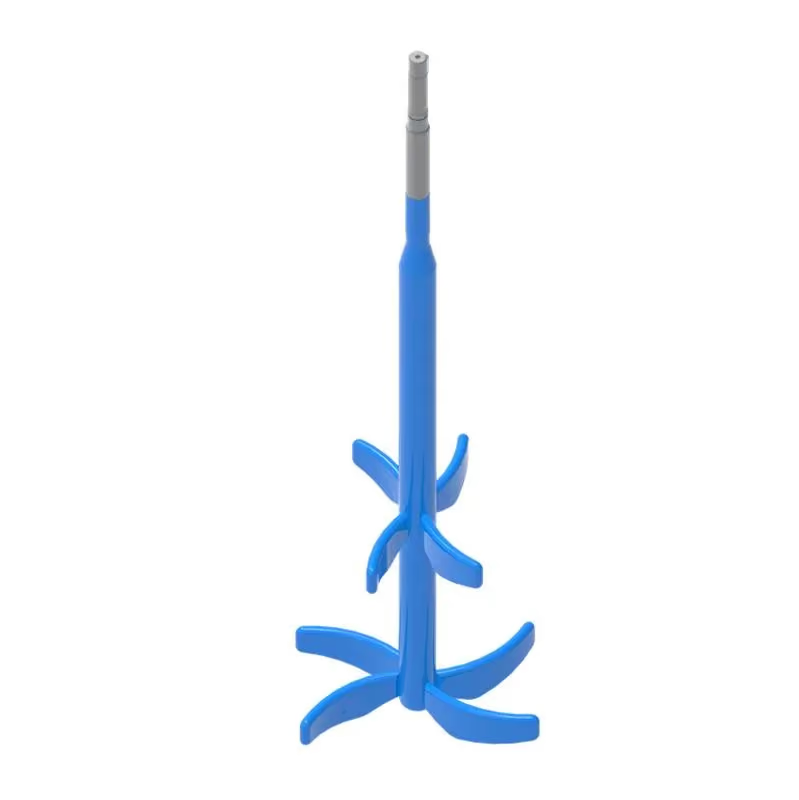
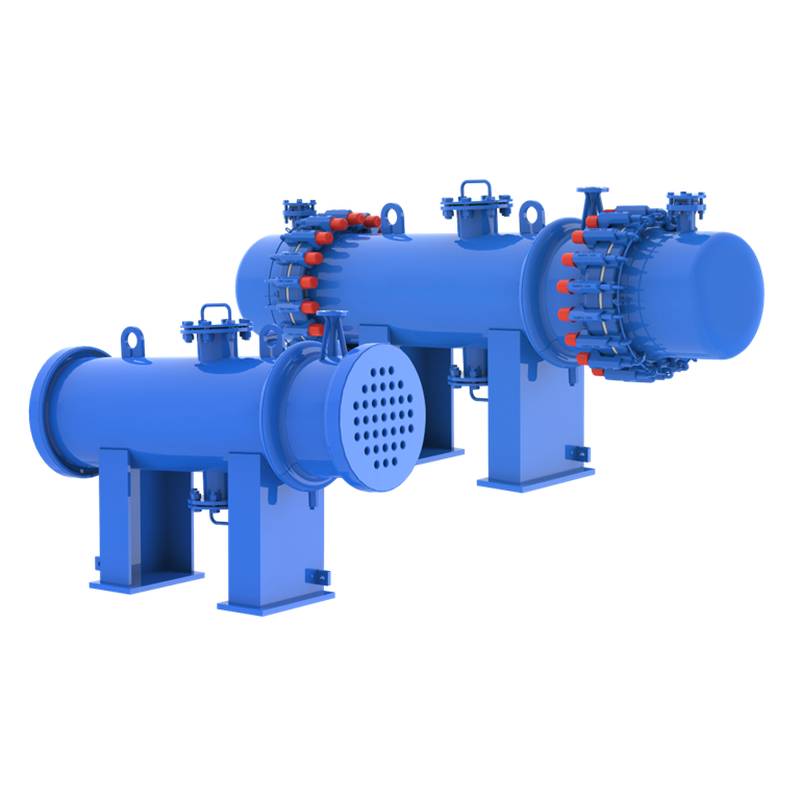
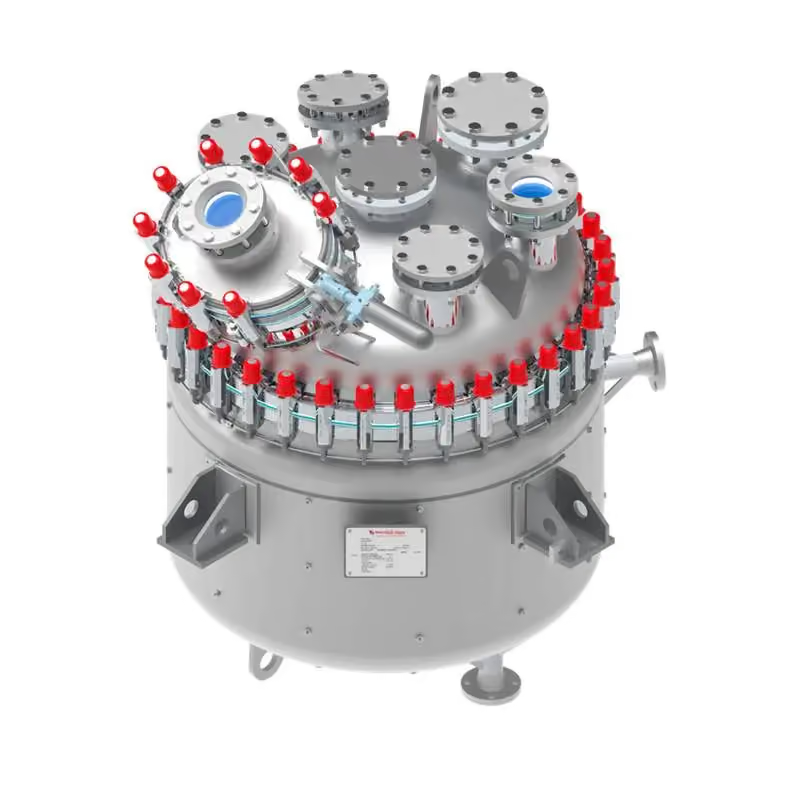
A key differentiator of SET is its ability to supply a complete “supermarket” of process equipment under one integrated engineering umbrella. The portfolio spans glass-lined reactors for critical reaction steps, Agitated Nutsche Filter Dryers (ANFDs) for efficient solid–liquid separation and drying, rotary cone vacuum dryers for gentle, uniform drying of sensitive APIs, and solvent recovery systems designed to maximise yield, reduce operating costs and support sustainability goals. By offering this breadth of equipment, SET enables pharmaceutical clients to source multiple process stages from a single, technically aligned partner.

Beyond individual equipment supply, SET’s experience extends to process integration and system-level solutions, ensuring seamless interaction between reactors, filtration, drying and solvent recovery operations. Equipment is engineered with a strong emphasis on material compatibility, containment, automation readiness and ease of cleaning (CIP/SIP), all of which are critical in modern API facilities. Whether supporting greenfield projects, capacity expansions or process upgrades, SET combines pharmaceutical domain knowledge with robust manufacturing capabilities to deliver reliable, compliant and scalable solutions tailored to the evolving needs of the API sector.

What are the main standards employed for equipment in the Pharma Industry?
The pharmaceutical industry employs several key international standards to ensure equipment safety, quality, and regulatory compliance. Good Manufacturing Practice (GMP and cGMP) guidelines form the foundation, governing hygienic design, material selection, traceability, and cleanability. Regulatory oversight is provided by authorities such as the Food and Drug Administration (FDA) in the United States and the European Medicines Agency (EMA) in Europe, both of which set strict requirements for equipment used in drug manufacturing. In addition, engineering and design standards such as ASME BPE (Bioprocessing Equipment), ISO standards, and EHEDG guidelines are commonly applied to ensure hygienic construction, surface finish, and clean-in-place capability. Together, these standards help manufacturers achieve consistent product quality, patient safety, and regulatory approval.
Why is Glass Lined Equipment used in the Pharma Industry?
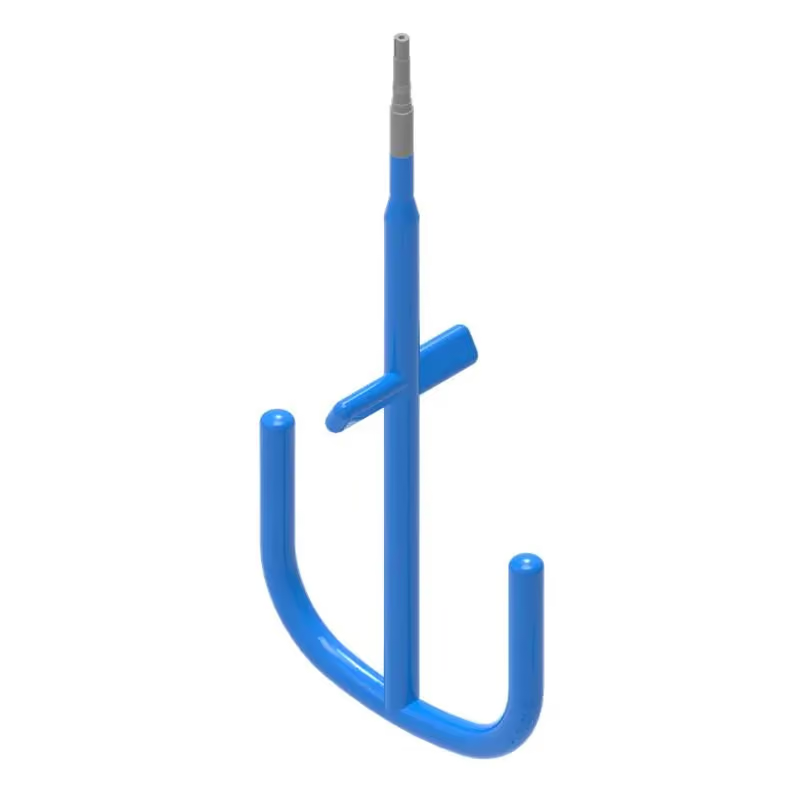
Glass lined equipment is widely used in the pharmaceutical industry because it provides a highly pure, corrosion-resistant, and contamination-free processing environment. The inert glass lining prevents reactions between the product and the vessel, ensuring product integrity when handling aggressive chemicals, solvents, and sensitive active ingredients. Its smooth, non-porous surface supports effective cleaning, sterilisation, and CIP/SIP procedures, which are essential for meeting strict pharmaceutical regulatory standards. Combined with the strength of the steel substrate, glass lined equipment offers reliable performance, long service life, and consistent batch quality across demanding pharmaceutical manufacturing processes.
What are equipment bug trap areas?
Equipment bug trap areas are locations on processing equipment where food residue, moisture, or debris can accumulate and create conditions that attract insects or allow bacteria to grow. These areas are typically caused by poor equipment design or surface finish and can include crevices, gaps, sharp internal corners, rough welds, dead legs, threads, or poorly sealed joints. Bug traps are a major hygiene risk in food and pharmaceutical processing because they are difficult to clean and can compromise product safety and regulatory compliance. Designing equipment with smooth, continuous surfaces and eliminating potential bug trap areas is essential for maintaining hygienic processing conditions and effective cleaning.

More Industries

Browse all Industries

Contact us today for reliable glass lining and turnkey engineering solutions for pharma and chemical industries